
How to Read Guitar Chord Diagrams: A Beginner's Guide
Learn to read guitar chord diagrams: vertical lines (strings), horizontal lines (frets), dots (finger positions), open strings, muted strings, and barre notation.
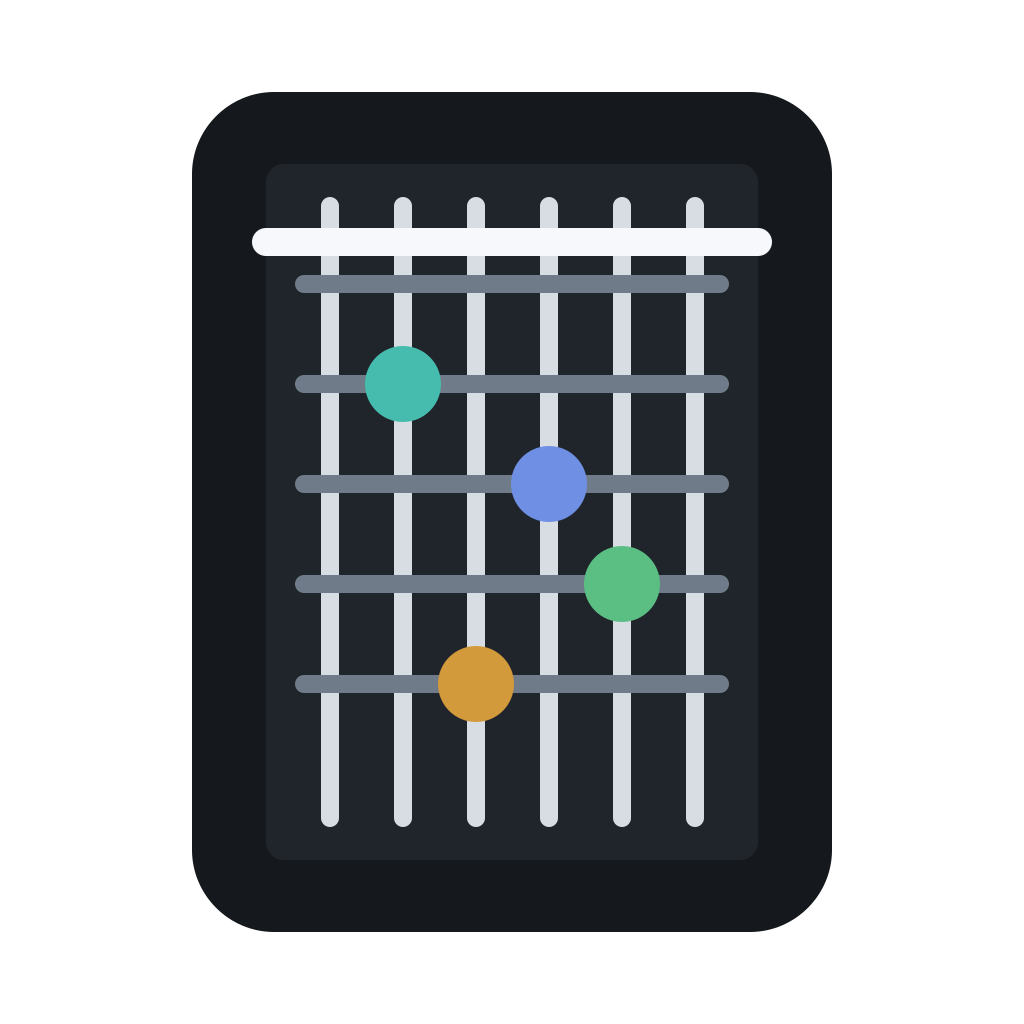
A chord diagram is a picture of the guitar fretboard. Once you learn to read them, you can learn any chord instantly.
The grid
- Vertical lines = strings. Left line is low E (thickest), right line is high E (thinnest).
- Horizontal lines = frets. The top thick line is the nut (or a fret number tells you where to start).
- Dots = where to place your fingers. Numbers inside show which finger (1=index, 2=middle, 3=ring, 4=pinky).
- X above = don't play this string (mute it).
- O above = play this string open (no fretting).
- Curved line = barre — one finger presses multiple strings.
Why diagrams beat tab for chords
Tab shows one voicing per line. A chord diagram shows the entire shape at once. You see the big picture: which strings ring, which are muted, and where each finger goes.