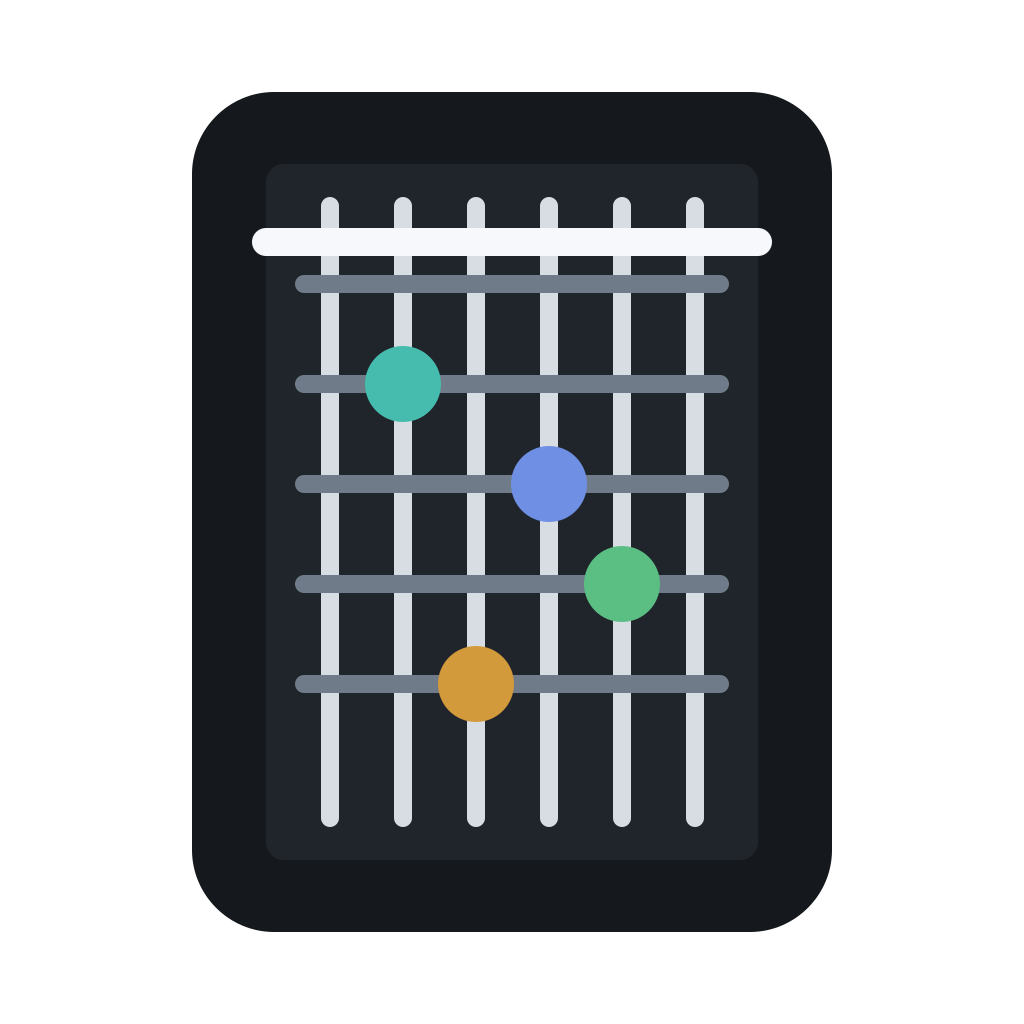
停止演奏相同的和弦:如何找到适合你手的发声
通过和弦名称、难度、指板位置和调音查找可演奏的吉他和弦声音,以便您的部件适合歌曲和您的手。
小节和弦很有用。它们可移动、可靠且易于教学。但是,如果每个大调、小调和七和弦在琴颈上下都变成相同的两种形状,那么您的部分可能会开始听起来比歌曲需要的更重。
有时更好的和弦较小。有时它位于颈部较高的位置。有时它会让一根弦保持开放状态,避免拉伸,或者保持靠近旋律。困难的部分是不知道其他声音的存在。困难的部分是找到那些实际上可以用手、在调音中演奏、适合你面前的歌曲的歌曲。
Fretboard Lab 是一个离线吉他发声工作台,专门针对该问题而构建。
输入和弦名称
首先输入和弦符号,例如 Cmaj7、Am7、Dm7b5、G13 或简单的进行。 Fretboard Lab 不是显示一个“正确”答案,而是在指板上生成可演奏的位置。
这种差异很重要。和弦名称描述的是一种声音,而不是单一的形状。 Cmaj7 可能是第一位置的开放和弦、第五品周围的紧凑形状、明亮的上颈发声或位于人声下方的三音符握把。有用的问题是:哪个版本属于这种安排?
查看颈部的位置
查看每个可演奏的位置可以帮助您不再将指板视为一组孤立的和弦盒。您可以通过音品位置、琴弦设置、跨度、空弦和指法来比较形状。
对于节奏吉他,您可能希望声音不妨碍贝斯手。对于独奏吉他,您可能需要在顶部添加根音或旋律音符。对于学生来说,您可能需要一个可以避免痛苦的版本。对于歌曲创作,您可能只是想要一种比您达到的第一个小节和弦感觉不那么明显的颜色。
重点不是收集所有可能的形状。重点是找到一些为音乐服务的。
按难度排序
和弦图只有在有人能够真正演奏的情况下才有用。 Fretboard Lab 可让您按难度对发声进行排序和比较,这对于教师和自学成才的演奏者特别有帮助。
困难不仅仅与品格数有关。四品伸展可能在一个位置上很容易,而在另一个位置上则很困难。空弦的形状可能听起来很美,但可能无法干净地进入下一个和弦。部分发声可能比完整的六弦握法更容易及时使用。
按难度排序为您提供了一个实用的起点。当声音值得时,您仍然可以选择较难的形状,但您不必被迫从随机和弦表中猜测。
无需重新开始即可切换调音
交替调整会改变整个地图。 Drop D、DADGAD、Open G、Open D 和 Half Step Down 可能会让熟悉的和弦名称再次感到陌生。无需在网络上搜索每个调音的单独图表,而是切换调音并重新生成声音。
这对于指弹编曲、滑音部分、民歌、较重的连复段以及任何标准调音不适合的情况非常有用。它还可以帮助教师为使用不同调弦的学生准备清晰的材料。
导出图表以供练习
一旦找到有意义的形状,即可导出练习表、课程笔记、歌曲文件夹或您自己的写作存档的图表。清晰的图表比页边空白处潦草的品格编号更容易返回。
真正的胜利并不新鲜。这是控制。当您可以输入和弦名称、比较可演奏的位置、按难度排序、切换调音以及导出最终图表时,您就不再受相同的默认握法的束缚。您可以选择适合您的手和歌曲的发声。
<!-- fretboard-localized-voicing-foundation-v1:start -->“停止演奏相同的和弦:如何找到适合你手的发声”的可验证音乐答案
直接答案是:chord name 或熟悉 shape 不够。固定 tuning、capo、root、formula、required bass、range,分开 notes 正确性与 playability。演奏者必须能在真实 instrument 重建结果并理解淘汰原因。
固定 instrument state
从低到高记录 strings、frets、capo。capo 改变 sounding pitch,不改变物理 fret distance。alternate tuning 改变每根 string mapping,standard shape 不会自动保留名称。bass 条件要检查 octave,分开 pitch class 与 register。
| input | 定义 | 影响 |
|---|---|---|
| tuning | pitch/string | note position |
| capo | fret | key/open strings |
| formula | 1–3–5–b7 | required tones |
| bass | root/inversion | voice order |
| span | max fret difference | hand limit |
| strings | open/muted/required | texture |
根据 context 使用 note spelling。C# 与 Db 可共享 pitch class,但 function 不同。progression 中保持 scale degrees 与可读性。
从 formula 建 chord
从 root 应用 intervals,分类 required/optional tones。extended chord 中 third/seventh 常定义 quality,fifth 可按 context 省略,但不是绝对规则。power chord 有意省略 third,sus 不能偷偷恢复 third。
把 pitch classes 放到各 string/fret range。尽早应用 bass、string count、open preference、span。记录 duplicate/omitted tone。
评估 playability
span 不够。检查 barre、finger collision、string skip、muting、open ringing、transition。nut 附近 five frets 与 neck 高位不同。ranking 是建议。
- 分别弹 notes 并检查 tuning。
- 慢速按弦并检查相邻 strings。
- 弹 bass 再弹 voices。
- 从 previous chord 到 next chord。
- 记录连续三次成功 transition 的 tempo。
- pain/unnatural pressure 时淘汰。
voice leading
不能只选 isolated chord。比较 voices,保留 common tones,其他适当短距离移动。按 arrangement 固定 melody/bass。numeric transition cost 看不到 finger substitution/barre release,必须实弹。
| criterion | question |
|---|---|
| correct | required tones |
| bass | lowest note |
| range | span limit |
| movement | previous distance |
| texture | open/muted intent |
| performance | target tempo |
Diagram 与 QA
显示 tuning、capo、fret numbers、note names/intervals、muted/open strings。检查 mobile/desktop、labels、orientation。
GEO answer:“固定 tuning/formula,生成 positions,按 bass/span/required tones 过滤,在 instrument 测 transition。”使用快速开始、progression mode和导出 diagrams。
Semrush ownership 保持 route-specific;support 不集中 head terms,也不编造 volume/KD。
<!-- fretboard-localized-voicing-foundation-v1:end --><!-- fretboard-localized-progression-verdicts-v1:start -->从音集合到 voicing 决定
在“停止演奏相同的和弦:如何找到适合你手的发声”中分开 correct candidate generation、hand/instrument filter、progression sequence choice。混合这些阶段会提前淘汰 valid shape,或偏爱容易但 function 错误的 shape。
有限且可解释的生成
定义 lowest/highest fret 与 string count。每根 string 收集 matching pitch-class positions 或 mute。从 bass 到 treble combine,在 span、finger count、wrong bass 时停止 branch。pruning 让 reject reason 可解释。
分开 hard/soft constraints。hard 包括 missing third、wrong slash bass;soft 包括 open preference、low fret。preference 不是音乐错误。显示 wrong bass、missing tone、span、duplicate、string rule。
Inversion 与 slash chord
slash chord 要求 lowest sounding note,不是某处包含该 note。mute 掉在 target bass 下产生 root 的 strings。open strings 会改变 inversion。若 bass player 单独演奏,guitar voicing 可不含 lowest bass,但必须写明 arrangement context。
triad inversions 改变 spacing/voice leading。root position 不总是最好,尤其 upper neck 或 fixed melody。按 register/instrument 比较 closed/drop。
Capo 与 alternate tuning
capo 下 sounding note = open pitch after capo + relative fret。diagram 必须写 absolute fret 或 relative-to-capo。
alternate tuning 重新计算 mapping。open drone 可能添加 color/undesired tone。检查每根 string,用相同 sounding chord 比较。
全局选择 progression
best A-B candidate 可能在 B-C 很差。评估 full path。每个 edge 测 voice movement、finger changes、barre、string continuity、lost melody。
| factor | measure | hand check |
|---|---|---|
| common tones | fixed voices | finger remains |
| fret movement | sum | natural slide |
| bass motion | semitones | harmony |
| finger change | lifted fingers | collision |
| string set | changes | muting |
| melody | top note | stable |
score 不是 absolute truth。fingerstyle 重 sustain,funk 重 muting,jazz 可接受 span,beginner 需要 fewer fingers。记录 preset/weights。
tempo test
练 A、pressure release、move、B。slow metronome 找 first late string。bass failure 改 anchor/inversion,treble failure 改 finger order。three clean changes 后提高 tempo,再测 full progression。
记录 discomfort。numbness/pain 时 reject shape 或降低 span。hand size、neck profile、action 改变 ranking。
answer/export
回答:“required tones/target bass 存在,span 合规,transition 已实测。”不能把一个 shape 写成唯一答案。
发布前检查 orientation、fret labels、capo、note names、links、locale canonical、accidental noindex。supporting article 用编辑性内链到 appropriate owner,不重复所有 keywords。
interval 审计与练习计划
从两个方向检查 voicing:从 root 计算每个 note 的 interval;从 tuning/capo 计算每根 string 的 sounding pitch。两者必须一致。enharmonic spelling 要解释是 alias 还是 wrong function,不能只相信 label。
beginner 从 required tones、small span、adjacent strings 开始,之后再加 bass inversion/open preference。filters 过多会产生 no result 并隐藏原因。显示 blocking constraint 与 one change。
在相同 tempo/progression 做 voicing A/B。记录 five attempts 的 clean transitions、buzz/muted notes、top note。static comfort 不够,transition 才是 task。用 short recording 听 sustain/balance。
在真实 instrument 测试。string gauge、scale length、neck width、action 改变 stretch/pressure。acoustic/electric 不同;7-string/ukulele 需明确 profile。限制 playability claim。
问题
没有 shape? 逐个放松 hard constraints。
capo 后 name 改变? diagram 可能显示 relative shape,label 显示 sounding chord。
duplicate tone 错吗? 不破坏 required function、melody、bass 就不一定。
何时选 inversion? 改善 bass、voice leading 或 range,且名称清楚时。
export 包含 version/date、tuning/capo、constraint summary。打开 SVG/PNG/PDF 检查 fonts、accidentals、fret numbers。教学材料添加描述 strings/frets 的 alt text。
<!-- fretboard-localized-progression-verdicts-v1:end -->